Iron rich foods for a baby starting solids: a sample day
November 2, 2026
The best iron rich foods for a baby starting solids are soft meat and poultry, fish, egg, beans, lentils, tofu and iron fortified infant cereal. Put one on the tray at every meal. When the iron comes from a plant or a cereal, add a vitamin C food beside it, such as broccoli, tomato, berries or sweet potato, because that pairing helps your baby absorb more of it.
Why does iron matter more once solids start than it did before?
Your baby's iron needs jump at around six months, and milk alone stops covering them. The NIH Office of Dietary Supplements sets the recommended amount at 0.27 mg a day from birth to six months and 11 mg a day from seven to twelve months.
Babies are born with a store of iron that carries them through the first months. That store runs down. The same NIH fact sheet notes that by six to nine months, a full term baby can become low in iron unless they eat iron enriched solid foods or drink iron fortified formula.
That is why the CDC's page on iron for babies and toddlers says that once a baby starts eating foods at around six months, it is important to give foods with enough iron.
None of this means a first meal has to be big. A few licks of lentils count as practice. The point is that iron is part of the plan from the start, rather than something added later.
What does one real day of iron paired meals look like?
One real day looks like an iron source at every meal, each with a vitamin C food on the same tray. Here is a day for a baby who is a few weeks into solids and eating three small meals. In the first weeks, one meal a day is plenty, so start with whichever of these suits your morning.
Breakfast: iron fortified oat cereal with mashed strawberries
Iron source: infant oat cereal with iron added, mixed with breast milk or formula. Check the label says iron has been added.
Vitamin C pairing: ripe strawberries, mashed or cut into soft pieces and stirred through.
Why it works: the iron in cereal is plant type iron, the kind the body takes up less easily, so the fruit beside it does real work.
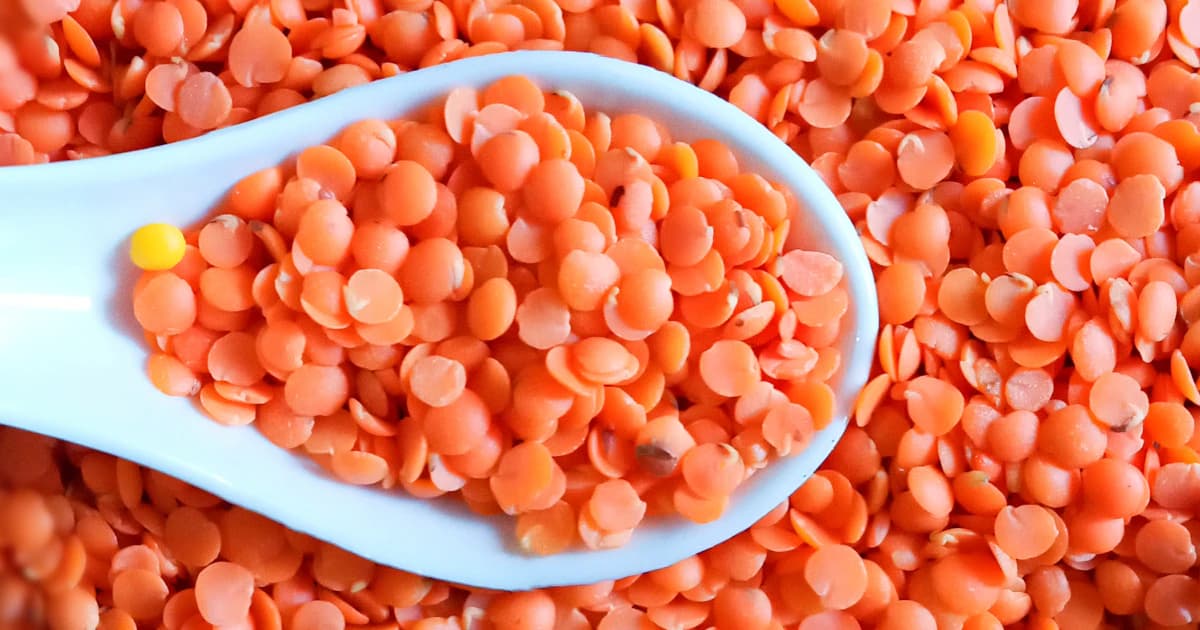
Lunch: red lentils with soft tomato and a strip of toast
Iron source: red lentils cooked until they fall apart, thick enough to stay on a preloaded spoon or a toast strip.
Vitamin C pairing: tomato cooked down into the lentils, skin removed.
Why it works: lentils are plant iron again, and tomato is one of the vitamin C foods the CDC names for exactly this job.
Dinner: soft shredded chicken thigh with broccoli and sweet potato
Iron source: chicken thigh, slow cooked and shredded fine, or minced beef cooked soft. Meat carries the type of iron the body absorbs most easily.
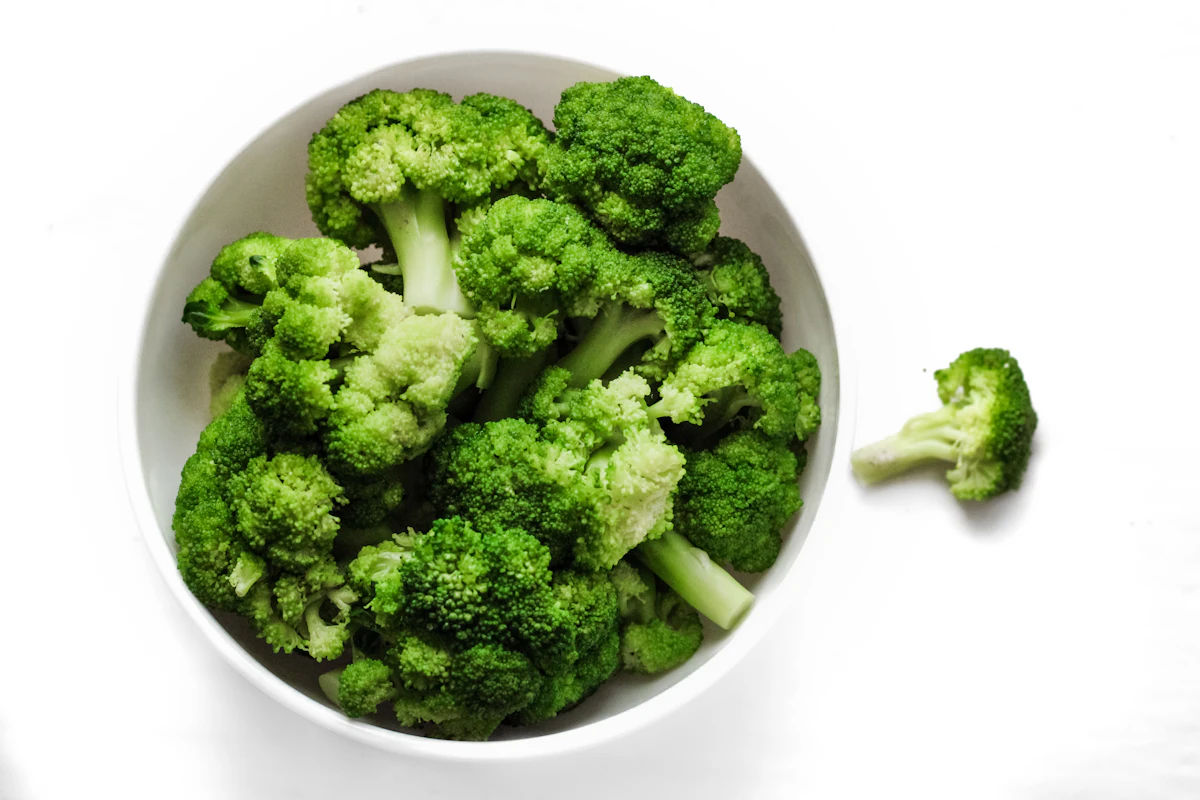
Vitamin C pairing: a broccoli floret with its stalk left on as a handle, steamed very soft, and a wedge of roasted sweet potato.
Why it works: meat helps the iron in the vegetables on the same plate too, so this is the easiest meal of the day to get right.
The swap list, for when the planned food is refused
Instead of cereal: a strip of omelet or soft scrambled egg, with mashed berries on the side.
Instead of lentils: mashed white beans or chickpeas spread thin on toast, with soft cooked red pepper.
Instead of chicken: flaked salmon with every bone removed, or soft tofu cut into finger strips, with soft broccoli.
Instead of a vitamin C vegetable: a soft fruit your baby already likes, such as mashed kiwi, ripe papaya or flattened blueberries.
Cut and cook every food on this page to the texture and shape that suits your baby's stage. Our guide to baby led weaning versus purees covers both ways of serving the same food.
How does a vitamin C pairing actually help absorption?
Vitamin C helps the body take up the plant type of iron, so it matters most when the iron on the plate comes from cereal, beans, lentils, tofu or greens. The CDC's iron page says pairing these sources with foods high in vitamin C can help your baby absorb needed iron.
Iron in food comes in two forms. Heme iron, in red meat, poultry, fish and eggs, is the form the body absorbs more easily. Nonheme iron, in iron fortified cereals, tofu, beans, lentils and dark leafy greens, is absorbed less easily.
The NIH fact sheet adds that the body absorbs plant iron better when it is eaten with meat, poultry or seafood, as well as with vitamin C foods such as citrus fruits, strawberries, sweet peppers, tomatoes and broccoli.
So the pairing does not need to be clever. It needs to be on the same tray at the same meal. A vitamin C food served at lunch does nothing for the iron in breakfast.
What do you do when a baby refuses the iron rich food on the plate?
Keep offering it, without pressure, and lean on the swap list so the meal still carries an iron source. A refusal in the first weeks of solids is ordinary. It is information about that food on that day, not a verdict.
Serve the refused food again at a later meal, in a small amount, beside something your baby already eats.
Change the form before you change the food. Lentils refused as a mash may be taken spread thin on toast.
Use the swap list so the day still has iron in it while the first food grows familiar.
Let your baby touch, squash and lick it. Handling food is part of learning to eat it.
If your baby refuses most foods, not just the iron ones, our guide to a baby refusing solids walks through the common reasons and what to try first.
Does a breastfed baby need to think about this differently than a formula fed one?
Yes. A breastfed baby relies more on food and, often, a supplement for iron, while iron fortified formula covers most of a formula fed baby's need. The CDC says standard infant formulas can meet a baby's iron needs for the first twelve months.
For breastfed babies, the AAP's position on vitamin D and iron supplements for babies is that partly or fully breastfed babies should get an iron supplement from four months until iron containing foods are part of their meals. Your pediatrician decides whether your baby needs one and how much.
In practice, a breastfed baby gets the most from the day above if an iron source lands at every meal, not just one. For a baby on formula, the same meals still matter, because they build the habit of eating iron foods before the bottle shrinks.
If you mix breast milk and formula, the CDC suggests raising your baby's iron needs with the doctor or nurse at the next checkup.
How milk and meals fit together as solids grow is covered in our guide to how much milk a baby needs after starting solids.
When to call your pediatrician
Call your pediatrician if your baby seems unusually tired or weak, is eating very little iron food for weeks, was born early or small, or if you are unsure whether your baby needs an iron supplement. A registered dietitian can help you plan meals for a baby who eats very few foods or follows a vegetarian diet.
FAQ
Do iron fortified cereals still matter once meat and legumes are offered?
They still help, but they are no longer the only option. Once your baby eats meat, fish, egg, beans or lentils, those foods carry iron too. Fortified cereal is a reliable extra source on a day when other iron foods are refused.
Is a baby at risk of too much iron from food alone?
Food on its own is very unlikely to give a baby too much iron. The risk comes from supplements. The NIH Office of Dietary Supplements sets the upper limit at 40 mg a day from birth to twelve months, and it warns that an accidental overdose of iron containing products is a leading cause of fatal poisoning in children under six, so keep every supplement out of reach.
Should a vitamin be added if a baby eats well?
Only if your pediatrician recommends one. A breastfed baby may be advised to take an iron supplement until iron foods are a regular part of meals, and the dose is set for your baby. Do not add an iron supplement on your own.
When does a pediatrician check iron levels with a blood test?
The AAP recommends that all babies be screened for iron deficiency and iron deficiency anemia at twelve months of age. Your pediatrician may check sooner if your baby was born early, is eating very little iron food, or seems unusually tired or weak.
Start with tomorrow's breakfast
You do not need the whole day at once. Pick one meal, put an iron source and a vitamin C food on the tray, and build from there. Get the free Starting solids guide from the HelianWell library, and if you want help with your own baby's meals, you can meet the feeding and child health experts who coach HelianWell families.
Photo by Amna Shoukat on Unsplash
Photo by Nastia Petruk on Unsplash