Notes for calmer days.
Practical guidance on sleep, feeding, and the early years, written for tired parents.

Baby hates tummy time? Find out why before you try to fix it
If your baby hates tummy time, find the reason first: weak head control, discomfort after a feed, or a strong wish to be held. Each has a different first fix, and short sessions on your chest still count.
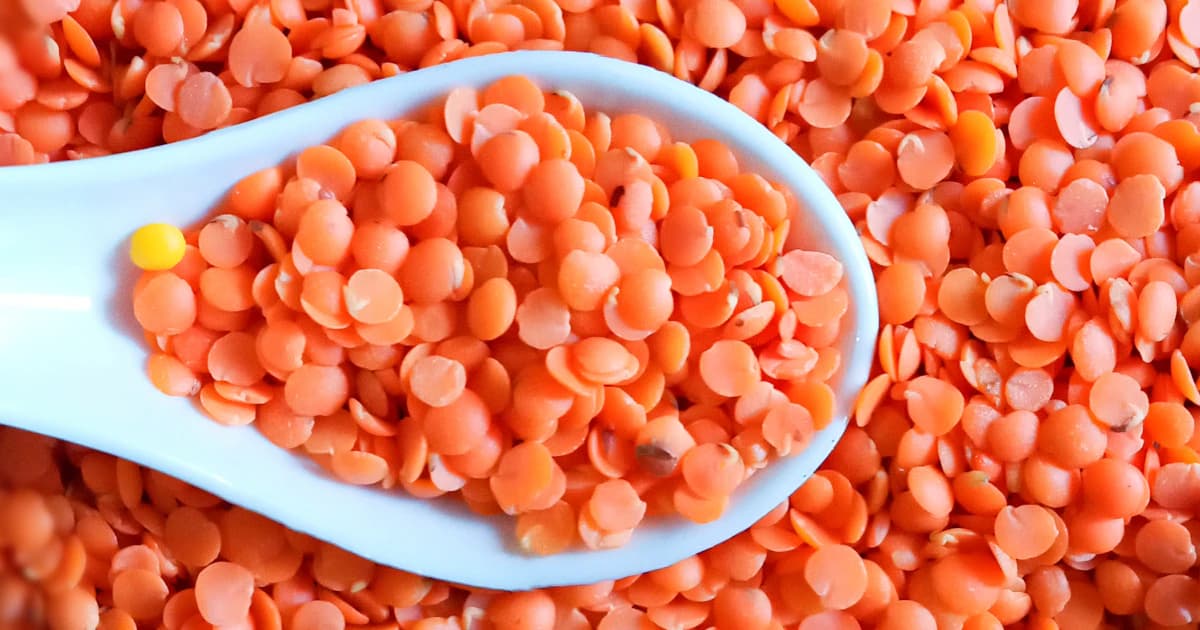
Iron rich foods for a baby starting solids: a sample day
Iron rich foods for a baby starting solids include meat, fish, eggs, beans, lentils, tofu and iron fortified cereal. Offer one at every meal and pair plant iron with a vitamin C food such as broccoli, tomato or berries.

First foods for baby led weaning by age: how to cut them
First foods for baby led weaning change shape as your baby's grip changes: soft finger length strips at the start, small soft pieces once the pincer grasp appears, then family food cut small and soft.

Breastfeeding first days: what is normal, when to call
Breastfeeding in the first days: what is normal day by day, what feels alarming but is fine, and the signs that mean call your clinician today.

Signs baby is ready for solids: a check for mixed signals
The signs baby is ready for solids are head control, sitting with support and swallowing food, and when only some show, the missing one decides.

Postpartum recovery in the first six weeks: normal vs not
Postpartum recovery in the first six weeks: what is normal week by week, the warning signs that mean call today, and a gentle plan to start moving again.
Screen time for babies under 2: the guideline and a plan
Keep screen time for babies under 2 to live video calls with family. WHO advises no screen time before age 2, and the AAP makes video chat the one exception.

What to do with a newborn all day: one awake window
Feed, hold, and let them sleep. Fill each short awake window with your face, your voice, a little tummy time on your chest, and stop at the first sleep cue.

Baby refusing solids? Timing, texture, or worth a call
Refusal usually comes down to readiness, timing, texture, illness or teething, or pressure at the table, and you can tell them apart in one sitting.

Baby milestones: when to worry and who to ask first
A single late milestone rarely means worry. This guide covers the pattern worth watching, who to ask first, and how to request a free evaluation yourself.

First week home with a newborn, hour by hour
What a typical day and night look like in the first week home with a newborn: feeds, sleep, your own recovery, and when to call for help.

Baby Led Weaning vs Purees: Differences, Pros and Cons
Purees are spooned by you, baby led weaning lets your baby feed themselves. See the differences, the pros and cons of each, and how to combine them safely.

Play ideas for a six month old, using things at home
The best play ideas for a six month old are short, floor based and made from things you own: a wooden spoon, a scarf, a mirror, a bowl, your voice.

What to prepare before baby arrives, and what can wait
Before the birth you need a car seat, a safe sleep space, a pediatrician, your vaccines and a packed bag. The rest can wait until the baby is home.

Gagging vs choking in babies: how to tell the difference
Gagging is loud and your baby is still breathing, so you stay close and let them work it out. Choking is silent, so you call 911 and start infant first aid.

How Much Milk Does a Baby Need After Starting Solids?
Milk stays the main food until twelve months. At six months a formula fed baby takes 6 to 8 ounces 4 or 5 times a day, and milk eases down from nine months.