Baby refusing solids? Timing, texture, or worth a call
October 19, 2026
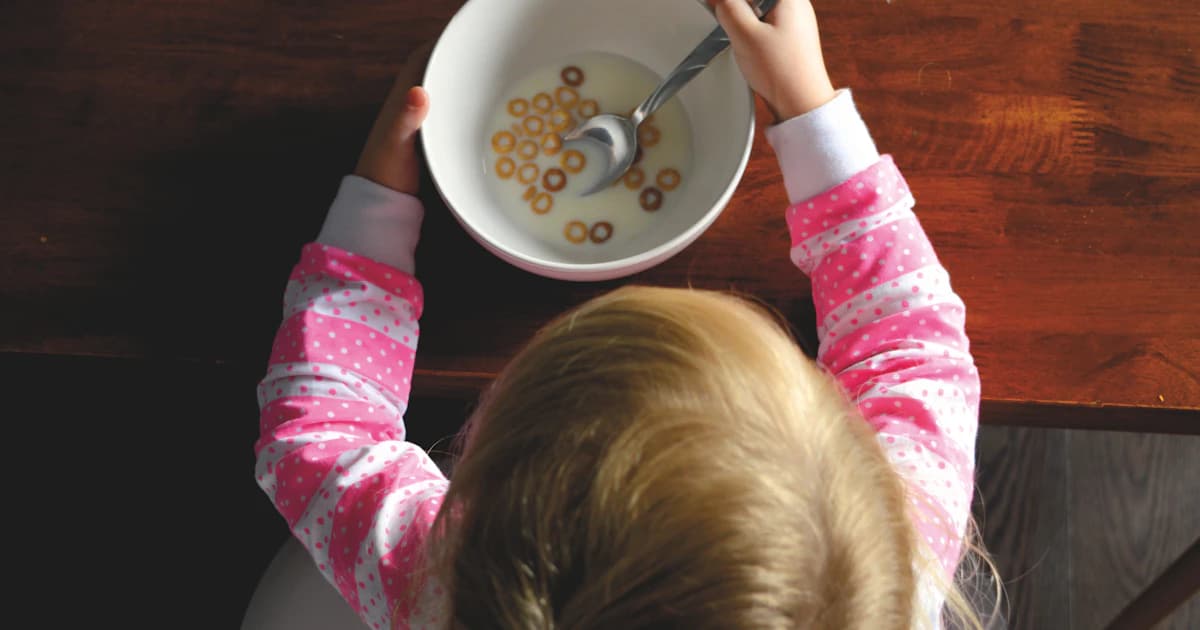
Refusal almost always comes down to one of five things: readiness, timing against a milk feed, texture, illness or teething, or pressure at the table. Work through them in order below, and you will usually land on the one that fits your baby tonight.
Is your baby refusing solids, or not ready yet?
A baby who has never taken to a spoon is a different problem from a baby who ate well for weeks and then stopped. The CDC's readiness signs are physical, not a matter of age alone: your baby sits with support, controls their head and neck, opens their mouth when food comes toward them, and swallows rather than pushing it straight back out with their tongue. If several of those are not there yet, the spoon can wait a week or two and come back around.
If your baby already cleared those signs and ate solids before, readiness is not the question. Move to timing.
Is the meal landing too close to a milk feed?
A full baby turns a spoon away no matter how the food is prepared. Offer solids when your baby is interested but not freshly fed, and before they are so hungry that only milk will settle them. Move the meal earlier or later by thirty minutes for a few days and watch whether the turning away eases.
Where this is the cause, the fix is the clock, not the food.
Milk itself does not need to drop for food to work. Our guide to how much milk a baby needs after starting solids shows the balance month by month.
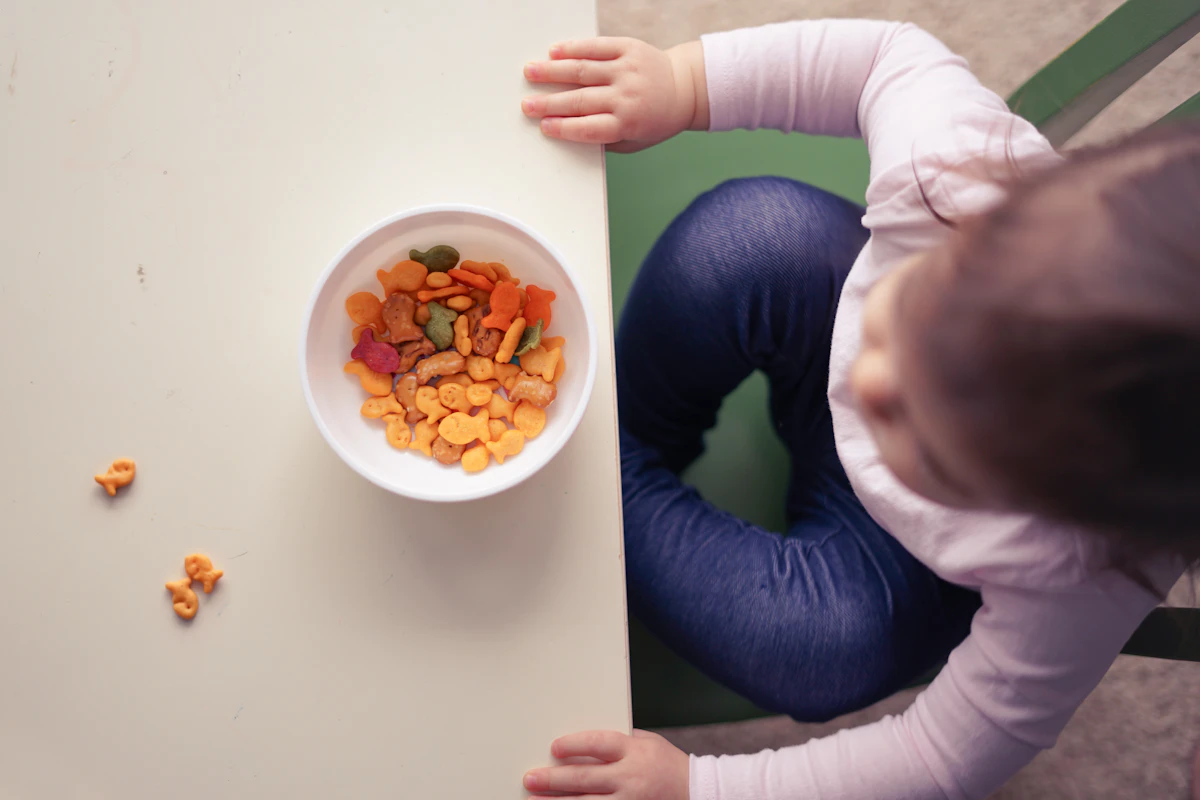
Is it the texture, and how do you change it?
A baby who takes a thin puree but spits out anything with lumps is telling you something about texture, not appetite. Go a step back rather than forward: thin a puree further, offer a single soft finger food shape they can gum on their own, or let them handle the spoon themselves even if most of the food ends up on the tray. Texture work is slow and it is normal for it to take several separate sittings before a changed texture is accepted, not one meal.
Here is where the pressure question matters most, because a baby pushed to finish a texture they are not ready for often refuses the next one too, on principle.
Could illness or teething be behind a sudden stop?
A baby who ate well and then stopped in the space of a day or two is more often sick, teething, or both, than newly fussy. Sore gums, a stuffy nose, or a low fever all make chewing and swallowing uncomfortable, and appetite for solids drops before milk feeds do because milk asks less of a sore mouth. This kind of refusal usually lifts within a week of the illness or the tooth settling, with no change needed to how you are offering food.
Watch the milk feeds through this stretch. If those hold steady, the solids pause is rarely urgent on its own.
When is refusal worth a call to the pediatrician?
Offering, texture and timing changes, and a few days of patience cover most of what sits behind a refusal. Call sooner where any of these signs from the American Academy of Pediatrics show up alongside the refusal: your baby has not passed urine in more than eight hours, has a very dry mouth, cries without tears, or will not take fluids at all for more than eight hours. Poor drinking that lasts more than three days, or refusal paired with a fever, is also worth a same day call rather than a wait and see.
Outside those signs, the questions above are the ones to work through first.
Pressure at the table, named separately because it compounds every other cause
The Satter Division of Responsibility, the feeding framework recognized by the American Academy of Pediatrics and the Academy of Nutrition and Dietetics, puts the split plainly: you decide what is offered, when, and where, and your baby decides how much of it, and whether, to eat. Coaxing another bite, following the spoon around the tray, or trading dessert for a few more mouthfuls, puts you on the child's side of that line. A baby who feels pushed at the table tends to hold the line harder the next time, on a food that was never the real problem.
Loosen your grip on the outcome of this one meal before you change anything else. It is often the fastest fix of the five.
Frequently asked questions
How many times should you offer a food before giving up on it?
More than once, and on a different day rather than in the same sitting. A single refused spoonful at one meal says little; a food offered again a few days later, with no comment made either way, is the fairer test.
Should you feed milk before or after solids when a baby is refusing?
Offer solids first, while your baby is interested but not yet full, then follow with milk. A baby who has already taken a full milk feed has little reason left to work at a new texture.
Is it fine to spoon feed a baby who refuses finger foods?
Yes, for now. Keep one finger food on the tray alongside the spoon so your baby can choose to pick it up, but do not insist on it over a food they will already eat.
Can pressure at the table make refusal worse?
Yes. A baby coaxed, distracted, or bargained into one more bite tends to resist the next offering harder, because the table itself has become the stressor rather than the food.
Download the free guide, Starting solids: the first 4 weeks, from the HelianWell homepage, helianwell.com. For more on how much milk a baby still needs once solids start, read how much milk does a baby need after starting solids. If gagging rather than refusal is the worry at your table, see gagging vs choking in a baby.