First foods for baby led weaning by age: how to cut them
October 30, 2026
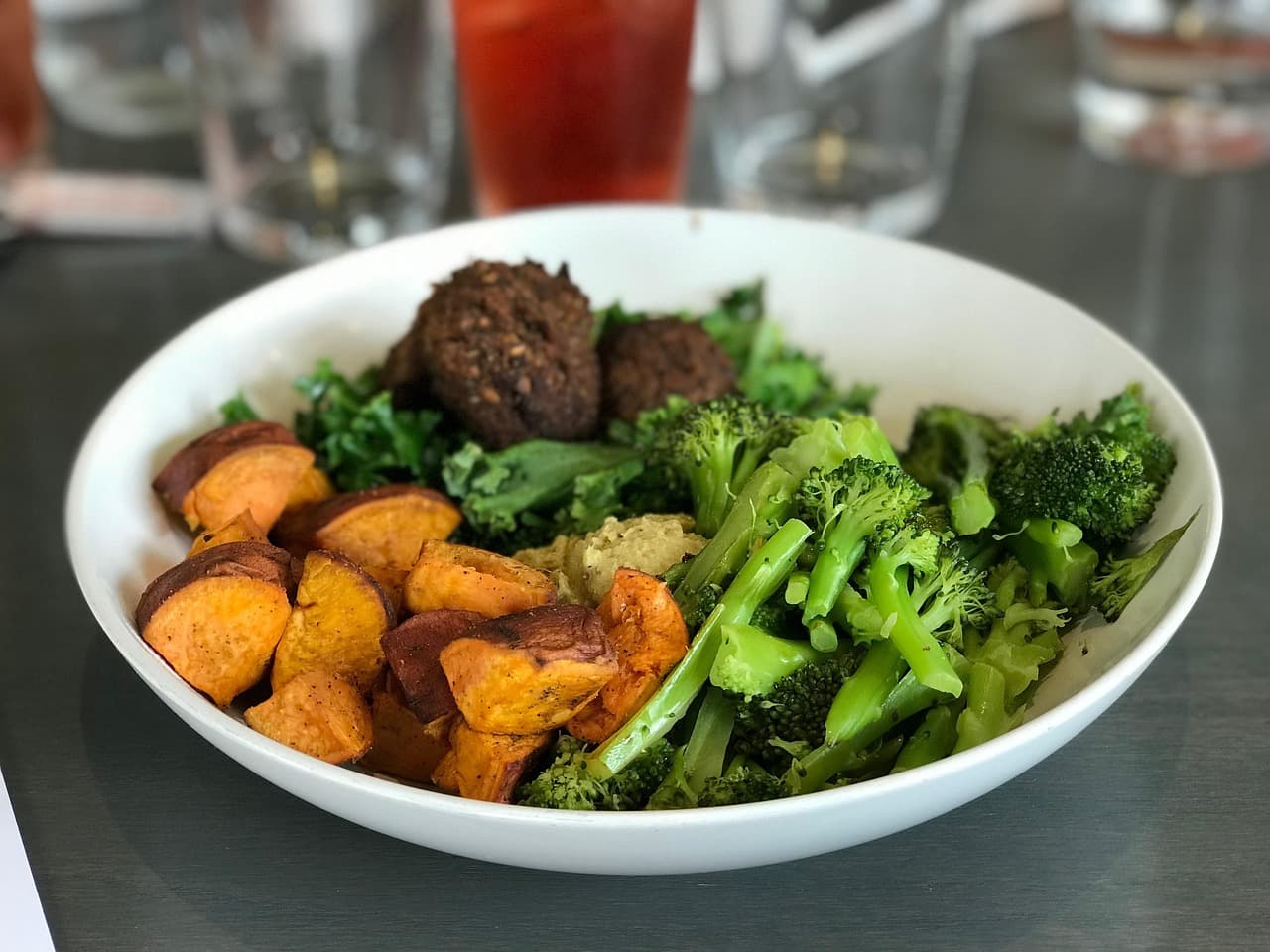
First foods for baby led weaning change shape as your baby's hands change. At the start, offer soft foods cut into long strips about the length of your finger, so a whole fist can hold them. Once your baby can pick things up between thumb and finger, move to small, soft pieces. Toward the first birthday, most family food works if it is soft and cut small. Whatever the stage, some foods wait.
Why does the right shape change as a baby's grip changes?
The shape follows the hand, not the calendar. A baby at the first meal grabs with the whole hand. Anything small disappears inside the fist and never reaches the mouth, so a long strip that sticks out above the fingers is the shape that works.
A few months later, the same baby can pinch. Now a long strip is more than they need, and a small soft piece is easier to pick up and practice with. Then the chewing gets stronger, and the pieces can start to look like what is on your plate.
That is why one instruction, such as "cut it into strips," cannot be right for every month. The useful question is what your baby's hands and mouth can do today.
Texture matters at every stage. The CDC notes in its guide to when, what and how to introduce solid foods that thicker and lumpier foods come in as a baby's ability to eat develops. A food that is safe in shape can still be a problem if it is too hard.
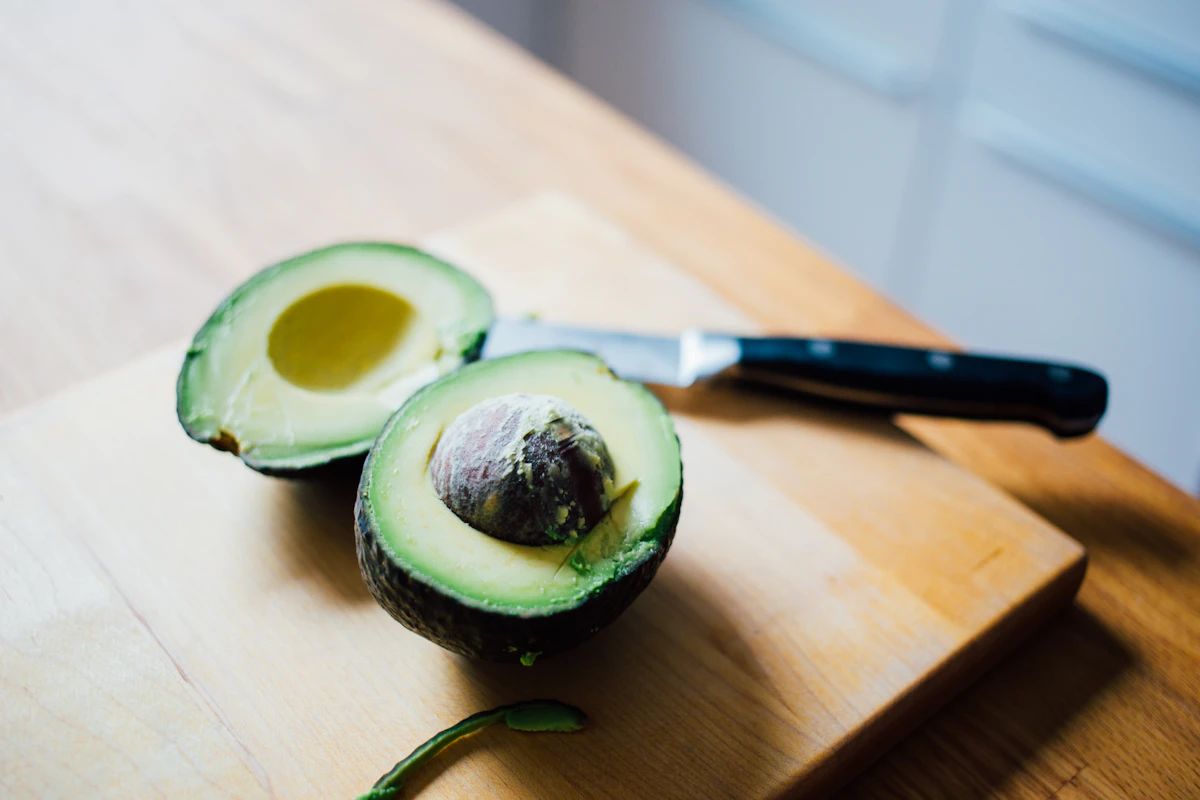
What should first foods look like at the very start?
At the start, cut soft food into long strips or wedges about the length and width of your finger, cooked until you can squash it between your finger and thumb. Your baby holds it in a fist and gnaws on the end that sticks out.
Start only when your baby shows the readiness signs. The CDC lists sitting up alone or with support, swallowing food rather than pushing it back out, and moving food from the front of the tongue to the back.
Stage one cutting guide: the whole hand grip
Shape to cut: long strips, spears or wedges, roughly finger sized. Leave a natural handle where the food has one, such as a broccoli stalk.
Texture: soft enough to squash between your finger and thumb.
Foods that suit it: ripe avocado wedges, banana halves or spears, steamed or roasted sweet potato wedges, steamed carrot sticks cooked very soft, broccoli florets with the stalk left on as a handle, omelet cut into strips, toast strips, large pieces of soft cooked pasta such as penne.
What tells you the next stage is safe: your baby starts picking up small things between thumb and finger, such as a crumb on the tray.
Your baby will mostly lick, squash and mouth food at this stage. Very little gets swallowed, and milk still does the feeding.
How does the shape change once the pincer grasp appears?
Once your baby can pinch, cut soft food into small pieces, and flatten or quarter anything round. The fist has stopped being the only tool, and smaller pieces give the new grip something to practice on.
Stage two cutting guide: the pincer grasp
Shape to cut: small, soft pieces your baby can pick up one at a time. Cut round foods lengthwise into quarters, and press soft round foods such as blueberries flat.
Texture: still soft. Hard raw fruit and raw vegetables stay off the tray.
Foods that suit it: soft cooked vegetable pieces, ripe pear or peach pieces with the skin off, flattened blueberries, grapes quartered lengthwise, flaked fish with every bone removed, shredded soft cooked chicken, small pieces of soft pasta, mashed or flattened beans.
What tells you the next stage is safe: your baby chews with a steady up and down and side to side motion, moves food around the mouth well, and gags less often than in the first weeks.
The AAP's advice on preventing choking in babies and children is to cut food for infants and young children into pieces no larger than one half inch. Stage two is where that rule starts to describe what you put on the tray.
What can move to family sized pieces, and when?
Family food can move onto the tray once your baby chews well, as long as it is soft and cut small. Many babies reach this stage near the first birthday. The skill, not the date, is the signal.
Stage three cutting guide: confident chewing
Shape to cut: small bite sized pieces of what the family is eating, no larger than one half inch, following the AAP advice above.
Texture: soft or tender. Meat shredded or chopped fine rather than served in chunks. Nut butter spread thin, never in a lump.
Foods that suit it: soft cooked family vegetables, pasta with sauce, stews and casseroles with tender meat, soft fruit pieces, scrambled egg, beans that have been mashed or flattened.
What still waits: the foods in the FAQ below, whatever your baby's chewing looks like.
Stage three is not the end of cutting. The AAP advises keeping dangerous foods from children until four years of age or older, depending on the child's development.
How do you tell ordinary gagging from a sign to stop?
A gagging baby is noisy and still breathing. A choking baby is quiet. Gagging means coughing, sputtering, a red face and food coming forward. It is a reflex doing its job, and the right move is to stay close and keep your face calm.
Stop and act if your baby goes silent, cannot cry or cough, makes a weak high pitched sound, or their lips turn blue or grey. Call 911 and start infant first aid.
Our guide to telling gagging from choking lays out both side by side, with the first aid steps for a baby under one.
Set up every meal the same way, at every stage:
Your baby sits upright in the high chair. Never lying back, crawling or in a car seat.
An adult sits within arm's reach and watches the whole meal.
A few pieces go on the tray at a time, not a whole plate.
Food goes in when your baby brings it to their own mouth. Nobody puts it in for them.
If gagging is not easing after several weeks, happens on smooth foods too, or often ends in vomiting, raise it with your pediatrician. A feeding therapist or a registered dietitian can also help if your baby was born early or has a known feeding concern.
FAQ
Is a baby led weaning baby more likely to choke than a pureed one?
The risk depends far more on the food and the setup than on the method. A baby who is spoon fed can choke on the wrong food too. Safe shapes, soft textures, an upright seat and an adult watching do the work on both routes. Our guide to baby led weaning versus purees compares the two starts in full.
Should every caregiver learn infant choking response before starting?
Yes. The steps for a baby under one are different from the ones for an adult, and anyone who feeds your baby may need them. The AAP advises signing up for an approved class in basic first aid and CPR, and names the American Red Cross and the American Heart Association as places to find one.
Can a baby start on family food textures early if they are a strong chewer?
A strong chewer can move through the stages faster, but the stages still come in order. The signal is the skill: a steady chew, food moved around the mouth with ease, and fewer gags. Round, hard and sticky foods still wait, however well your baby chews.
What foods should wait no matter how a baby is doing?
The CDC's list of choking hazards for babies and toddlers includes whole or chopped nuts and seeds, chunks or spoonfuls of nut butter, uncut grapes, cherry tomatoes and berries, hard raw vegetables and fruit, hot dogs and sausages, popcorn, and hard or sticky candy. The CDC also advises waiting until after twelve months for cow's milk as a drink.
Before the first meal
If you are getting ready to start, get the free Starting solids guide from the HelianWell library. If you want help with your own baby's stage, you can meet the feeding and child health experts who coach HelianWell families.
Photo by charlesdeluvio on Unsplash