When do babies roll, sit, and crawl? Ranges to expect, not deadlines to hit
November 4, 2026
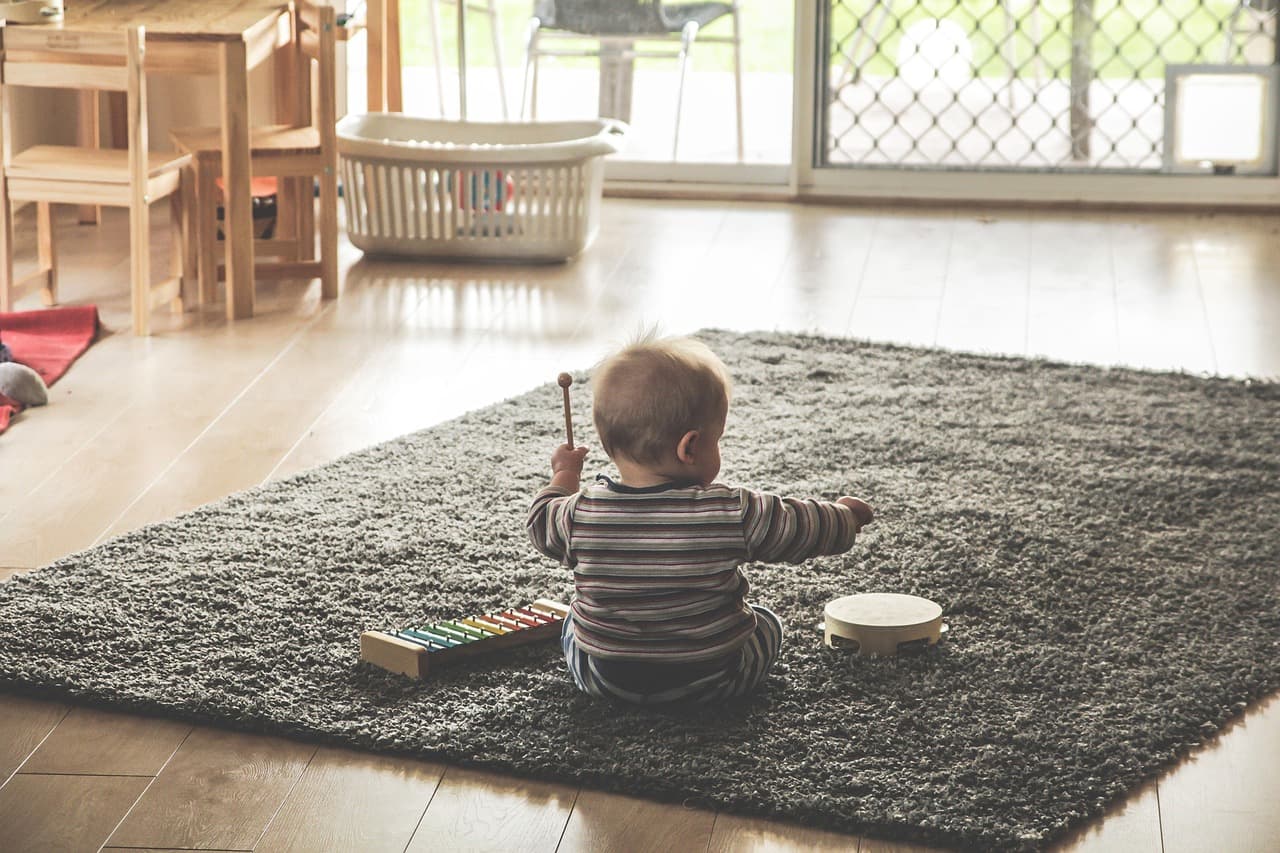
When do babies roll over, sit up and crawl? Most babies roll from tummy to back by six months, sit without support somewhere between six and nine months, and crawl between about seven and ten months. Normal runs wider than those windows. Healthy babies sit as early as about four months or as late as nine, crawl anywhere from about five to thirteen and a half months, and a few never crawl at all.
What are the typical windows for rolling, sitting, and crawling?
Rolling comes first, then sitting, then crawling, with a lot of overlap between them. Here are all three in the order they usually arrive, each with the window most babies land in and the wider range that still counts as normal.
Rolling over. The NIH Safe to Sleep campaign says babies usually start to roll around three months, and the AAP says most roll tummy to back before back to tummy. The CDC lists rolling from tummy to back among its milestones by six months, and the AAP says most babies roll both ways by the end of the four to seven month stretch. Wider range: from about three months to the end of that stretch.
Sitting without support. Most babies sit propped first, leaning forward on their hands, and the CDC lists that by six months. The AAP describes sitting upright without leaning on the arms at about six to eight months, and the CDC lists sitting without support by nine months. Wider range in the WHO motor development study: about 3.8 to 9.2 months.
Crawling. The AAP says crawling is usually mastered between seven and ten months. Wider range in the WHO motor development study: about 5.2 to 13.5 months, and some babies skip it.
The wider ranges for sitting and crawling come from the World Health Organization's motor development study, which followed healthy babies in Ghana, India, Norway, Oman and the United States. The study did not measure rolling, so the rolling range comes from the CDC and AAP age guides instead.
For floor play that fits each stage, our play ideas for a 6 month old has things to try once your baby is rolling and starting to sit.

How wide is the range that still counts as normal for each one?
Wider than most parents expect: more than five months for sitting and more than eight months for crawling. The WHO motor development study set the window for each milestone from the 1st to the 99th percentile of healthy children:
Sitting without support: 3.8 to 9.2 months, the narrowest window of the six milestones in the WHO study.
Crawling on hands and knees: 5.2 to 13.5 months, in the same study.
The CDC uses a different yardstick. Its milestone checklists list a skill at the age most children, 75% or more, can do it. So a baby who is not yet doing a six month skill at six months is in the other quarter, not automatically behind. The checklist is a prompt to talk with your pediatrician, not a pass or fail test.
The AAP notes that most babies roll stomach to back before back to stomach. A baby who rolls only one way at five months is following the usual order.
Why do some babies skip crawling altogether?
Because crawling is one way to get around, not a required step. In the WHO motor development study, about 4.3% of healthy children never crawled on hands and knees.
The AAP says in its guide to movement from eight to twelve months that a few children never crawl. Some scoot on their bottoms and some slither on their tummies. What the AAP looks for is that your baby uses each arm and leg equally and moves both sides of the body in a coordinated way. A baby who bottom shuffles evenly is moving well. A baby who always drags one side is worth a mention to the pediatrician.
Does an early or late milestone predict anything about the next one?
Not on its own. The WHO study found most children reach these milestones in a common order, but the windows overlap. A baby can sit late and crawl on time, or roll early and sit at an ordinary age.
What tells you more is the direction of travel. A baby who keeps adding new ways to move, month after month, is progressing, even if one skill sits near the edge of its range. A baby who stops gaining skills, or loses one they had, is the pattern to raise.
What is actually worth mentioning at the next checkup?
Anything that worries you, and any skill your baby had and has lost. The CDC asks parents to tell the doctor both, and to mention a premature birth. You do not need to wait for a missed age to bring it up.
Things worth writing down before the visit:
one side of the body used much more than the other, or one side dragged when your baby moves
not rolling tummy to back, or not pushing up on straight arms on the tummy, by around six months, the CDC's milestone age for both
not sitting without support by around nine months, the CDC's milestone age for sitting
any skill that has gone backward
If you or your pediatrician are still unsure after the visit, the CDC says you can ask for a referral to a specialist and contact your state's early intervention program yourself, without waiting. For a fuller list of signs across the first year, see our guide to baby milestones and when to worry.
FAQ
Does a baby need to crawl before they can walk?
No. Crawling is one way to get around, not a required step. In the WHO motor development study, about 4.3% of healthy children never crawled on hands and knees, and the AAP says a few children never crawl, scooting on their bottoms or slithering instead. What matters is that both sides of the body move evenly.
Should tummy time change once a baby starts rolling on their own?
Keep offering floor time on the tummy while your baby is awake and watched, because rolling and pushing up both build on it. Sleep does change: the NIH Safe to Sleep campaign advises stopping swaddling once a baby starts to roll over, usually around three months. Always place your baby on the back to sleep.
Do premature babies get measured against the same ranges?
Yes, but from their corrected age rather than their birthday. The AAP explains that you take your baby's age in weeks and subtract the number of weeks they were born early, and that using corrected age gives a better picture of milestones during the first two years.
Is sitting without support a milestone on its own or part of crawling?
It is a milestone on its own, and it usually comes before crawling. The WHO motor development study measured sitting without support as a separate milestone, with a window of about 3.8 to 9.2 months. The two often arrive close together, but a baby can sit well and never crawl.
Get the free Milestone checklist tonight
Write down the three ranges, note where your baby is today, and bring that note to the next checkup. Get the free Milestone checklist from the HelianWell library, and if you want help with your own baby, you can meet the child health and development experts who coach HelianWell families.